The Strengths and Considerations of US Conec MMC Connectors

Making an informed component selection requires a balanced view. While US Conec MMC connectors are industry leaders, a thorough evaluation encompasses both their distinct advantages and the practical considerations for implementation.
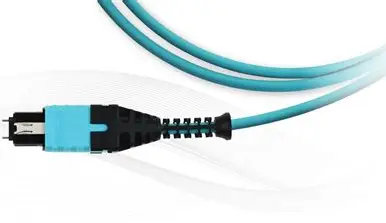
Strengths:
1. Unmatched Density: The core value proposition. MMC connectors dramatically increase port density, reducing physical space requirements by over 50% compared to duplex LC connectors in many cases.
2. Proven Performance & Reliability: Patented features like the elliptical guide pins™ (R) and floating ferrule ensure consistent, low-loss connections critical for high-speed data rates.
3. Ecosystem & Standardization: As a pioneer and major contributor to MPO standards, US Conec’s products ensure broad compatibility with transceivers, panels, and cables from major vendors.
4. Deployment Efficiency: Pre-terminated MMC harnesses and trunks enable plug-and-play installation, reducing labor costs and installation errors.
Considerations:
1. Initial Cost: Per-port material cost for MMC/MPO systems can be higher than for simple duplex LC systems, though Total Cost of Ownership (TCO) often favors MMC due to density and labor savings.
2. Specialized Tooling & Expertise: Termination and testing require specific, often more expensive, tooling and trained personnel compared to single-fiber connectors.
3. Management Complexity: High-density patches require meticulous cable management and labeling to maintain organization and avoid errors in a densely packed environment.
4. Cleaning Protocols: Multi-fiber ferrules require diligent cleaning procedures using appropriate MPO-specific cleaning tools to prevent cross-contamination.
Conclusion: The decision to adopt US Conec MMC connectors should weigh their transformative density and performance benefits against the need for upfront investment and structured deployment processes. For scalable, high-bandwidth applications, the advantages overwhelmingly justify the considerations.