Arm Launches Self-developed Chip for the First Time in 35 Years since Establishment

Arm Holdings, a well-known semiconductor and software company, has started producing self-developed chips for the first time in its nearly 36 year history. Previously, the company had been licensing its designs to companies such as NVIDIA and Apple.
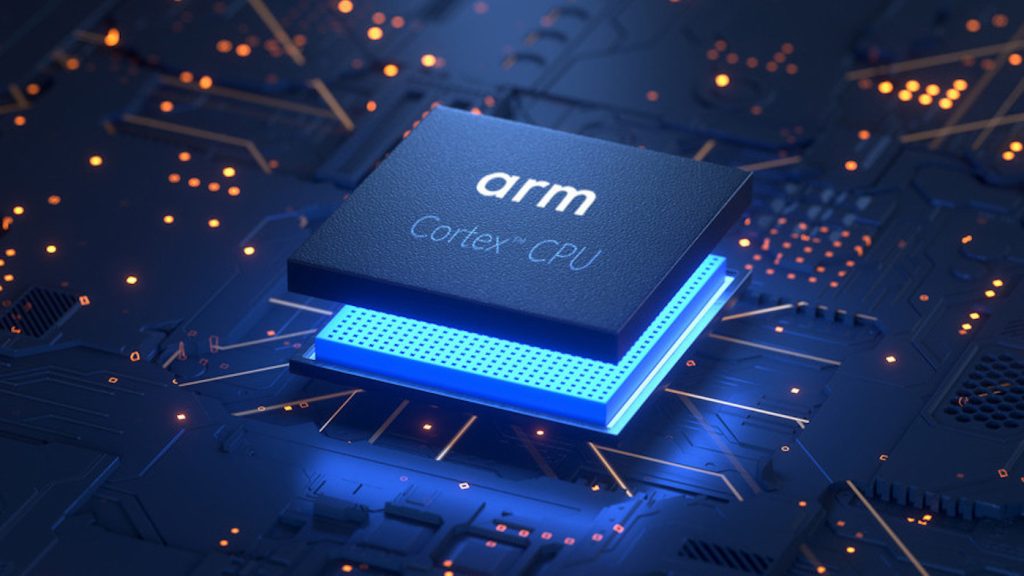
At an event held in San Francisco on Tuesday, the company unveiled the Arm AGI CPU, a production ready chip designed specifically for AI data center inference tasks. This UK based company utilized its Arm Neoverse series of CPU IP cores and developed this chip through collaboration with Meta.
Meta is also the first customer of Arm AGI CPU, which is designed to work in conjunction with the technology company’s training and inference accelerators. Arm also announced OpenAI, Cerebras, and Cloudflare as its initial partners.
Arm’s move towards self-developed chips has long been expected by the outside world. According to CNBC, the company began developing these chips as early as 2023 and the processors are currently available for order.
TechCrunch contacted Arm for more information on the development and release time of the chip.
Although this move may have been anticipated, it is a historic departure from Arm’s long-standing tradition of only licensing its designs to other chip manufacturers. This company, majority owned by Japanese conglomerate SoftBank Group, will now compete with its numerous partners.
Advantages of the chip
Arm is producing CPUs instead of GPUs this time, which is also worth noting. The graphics processing unit (GPU) has attracted much attention for its use in training and running AI models, while the CPU is also an indispensable component in data center racks.
When promoting the advantages of CPUs, Arm pointed out that these chips manage thousands of distributed tasks, including managing memory and storage, scheduling workloads, and moving data across systems. The company stated that CPUs have become the “rhythm element of modern infrastructure – responsible for keeping distributed AI systems efficient at scale”.
Arm stated that this poses new requirements for CPUs and requires processor evolution.
At the same time, the supply of CPUs is becoming increasingly tight. According to a previous report by Reuters, Intel and AMD informed their Chinese customers in March that product waiting times would be extended due to CPU shortages. Against the backdrop of increasingly severe shortages, computer prices have also begun to rise.