Morgan Stanley: Google’s TPU External Sales Could Reach 1 Million Units by 2027

In the context of the “AI bubble” concerns driving divergent trends in the U.S. tech sector, Alphabet, the parent company of Google, has recently defied the trend by soaring against the odds, with its stock price rising nearly 20% over the past month, making it the hottest large-cap AI stock.
On one hand, Google’s latest large model, Gemini 3, has received overwhelming praise, while on the other hand, its self-developed AI chip—the TPU (Tensor Processing Unit)—is drawing significant attention from the capital markets.
This week, reports emerged that Google is promoting its TPU to clients, while Meta is considering spending billions of dollars to purchase Google’s TPU for data center construction. This marks a significant shift in Google’s strategy, as its TPU was previously primarily used within its own cloud data centers.
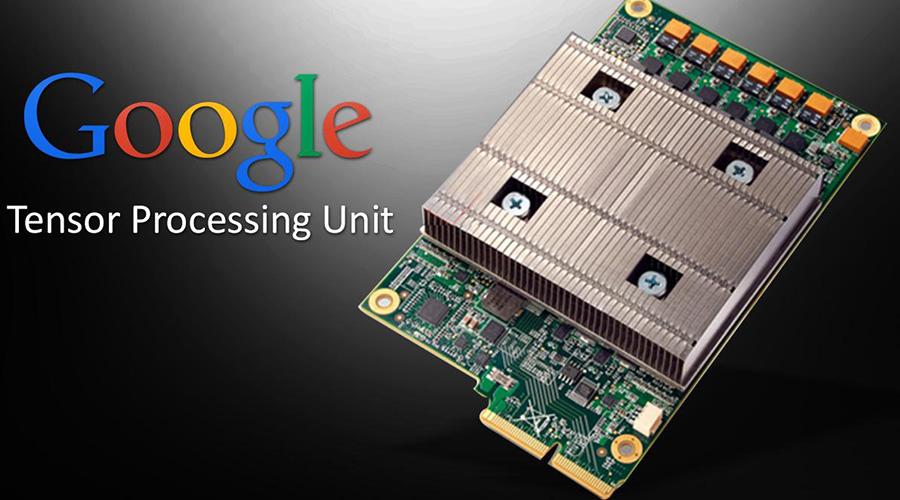
Morgan Stanley believes this could bring a modest boost to the tech giant’s sales and profits.
“Google’s extent of selling TPU through first-party models does significantly impact its performance. Our sensitivity analysis shows that for every 500,000 TPU chips sold externally, Google could gain approximately $13 billion (about 11%) in upside potential for its 2027 cloud revenue forecast and boost its 2027 earnings per share (EPS) by roughly 3% (or $0.37).” — a team led by Morgan Stanley analyst Brian Nowak wrote in a client report.
Analysts explained that if Google’s cloud business accelerates its growth and the company successfully enters the semiconductor market, “this is likely to drive (or support) a higher valuation multiple for Google.”
Additionally, analysts pointed out that given Nvidia’s projected shipment of approximately 8 million GPUs (graphics processing units) by 2027, if production capacity permits, Google’s forecast of selling 500,000 to 1 million TPUs (tensor processing units) annually is “not unreasonable”.
However, analysts also emphasized that Google’s strategy to market its TPU externally remains highly uncertain. And investors need to focus on three core issues: its business model, pricing strategy, and the types of workloads TPU can handle.
Regarding the impact of Google’s external sales of TPU on the semiconductor industry, analysts believe this will benefit Broadcom, as the company co-designed the TPU chip with Google, while the effect on NVIDIA and AMD is negligible.
This has to some extent eased the concerns surrounding Nvidia in the market. With the emergence of Google TPU chips, investors are worried that Nvidia’s AI chip market share will be eroded. Google TPU outperforms GPU in specific scenarios – Nvidia holds an absolute dominant position in this field.
Morgan Stanley analysts pointed out that since the beginning of this year, Google has purchased approximately $20 billion from Nvidia (chips) in the development of large-scale language models, while spending on TPU is only over $1 billion. This spending structure may be slightly adjusted next year. But the overall demand growth for AI chips is unlikely to see a “winner takes all” situation.
“The Gemini model surpasses GPT-5 to become the leading model. But it does not mean that competitors will slow down as a result. As technology industry leaders have repeatedly emphasized, this competition is crucial. And we expect the competition to continue to heat up, especially with the rule of scale still in effect.” They said.